


If I had a dollar for every time someone told me, “I just need to find the right planner,” I’d probably have enough money to buy every planner on the market (or a flat on the Left Bank in Paris – so much more fun!)
Or maybe it’s not a planner. Maybe it’s the latest productivity app, a color-coded to-do list, a digital calendar, or a new project management tool. We convince ourselves that the next system will finally be the one that helps us get organized, stay on top of everything, and stop feeling overwhelmed.
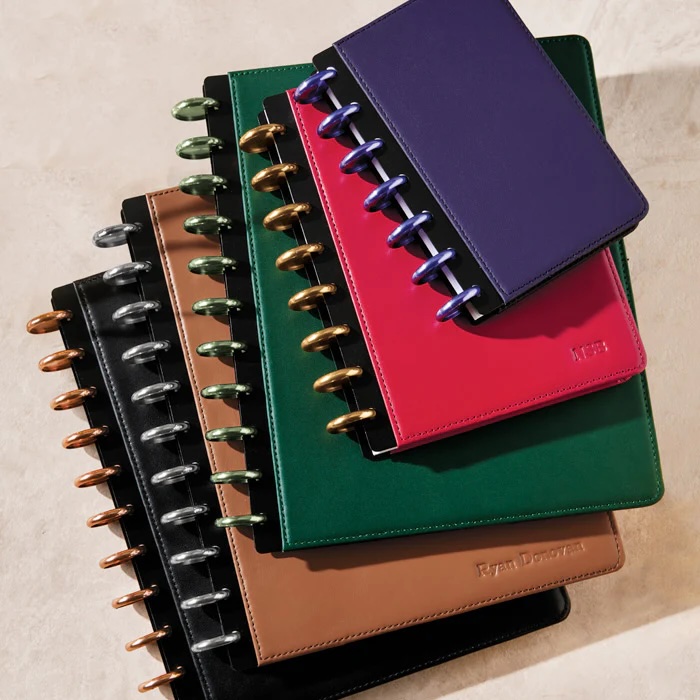
Here’s the hard truth:
The problem usually isn’t your tools. It’s how you’re using them. Or not using them.
Don’t get me wrong – I love a good planner, and there are some fantastic productivity apps available today. The right tool can absolutely make your work easier. But no planner has ever taught someone how to set boundaries. No app can decide what’s most important for you. And no digital checklist can magically create the habits and discipline needed to follow through. It’s like the mindset that buying the perfect set of baskets or bins will get and keep your physical space organized. It’s not about the STUFF! It’s about the system and the habits you create around it.
Ironically, many people make things even harder by choosing overly complicated systems. They buy planners packed with pages they’ll never use or download feature-rich apps that require hours of tutorials, setup, and customization. Before long, they’re spending more time managing the tool than managing their work (or having wasted their money…)
One of the biggest productivity lessons I’ve learned is this: simple beats sophisticated EVERY time.

A straightforward planner that you review every day is far more effective than an elaborate one that sits on your desk. A basic task app you consistently use will outperform the newest, flashiest app that you abandon after two weeks. In fact, the best productivity system may already be sitting in your hand. You just haven’t committed to using it consistently.
The most productive people I know don’t necessarily have the fanciest systems. They have clear priorities. They make intentional decisions about their time. They build routines that support their goals. And they consistently practice habits that keep them moving forward.
That’s why buying another planner or downloading another app often feels so satisfying. It gives us hope. It feels like progress. But purchasing a tool isn’t the same as changing a behavior, or finding the perfect system. It’s about creating a system that’s simple enough to maintain, practical enough to support the way you work, and consistent enough to become second nature. It’s about creating a habit around what works, every day, every month, year after year.
Before you download another app or order another planner, ask yourself:

- Do I know my top priorities?
- Am I saying “yes” to too many things?
- Do I have consistent routines for planning my day and week?
- Am I managing my tasks—or just collecting them?
- Am I looking for a better tool when what I really need are better habits?
When you keep your systems simple, they create less friction. And when you reduce friction, it’s easier to follow through, stay organized, and focus on the work that matters most. There is no “perfect” planner. There are perfect habits that you create around tools you already have.
Looking for more than just another productivity tool? My signature presentation, Dialing Down the Friction: A Smarter Way to Get the Right Stuff Done, helps audiences move beyond apps and planners to build the habits, systems, and mindset that lead to lasting productivity.