


I’m often asked about what books I’ve found helpful in the organizing and productivity field. Here are my (current) top five favorites (because ask me next week and that may change!) Some have been around a while, and one is brand new. But in my mind, these are classics, or destined to be, and ones I recommend often. You may find my choices a little surprising, since a few of them don’t fit in the standard “productivity” mold, but all of them have resonated with me and many of my clients for different reasons. Enjoy!
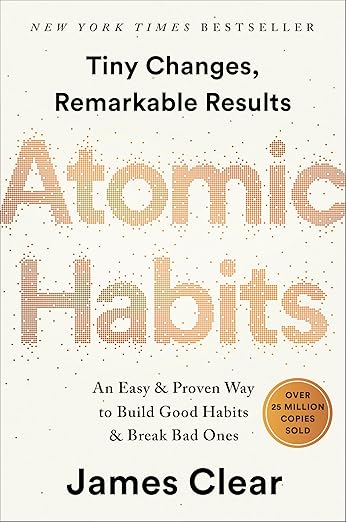
Atomic Habits, by James Clear
This book reframes productivity as a systems issue rather than a motivation problem, emphasizing small, consistent habit changes that build over time. It’s the one book on productivity and time management that I consistently recommend because of its emphasis on the fact that habit change in very small increments is much more conducive to real life change than large, sweeping gestures, which usually only last for a short while before they’re abandoned. Clear emphasizes the importance of consistency over intensity, and identifying the behaviors of those who build success over time with ongoing, small, incremental habits.
“Most people need consistency more than they need intensity.
Intensity:
-run a marathon
-write a book in 30 days
-silent meditation retreat
Consistency:
-don’t miss a workout for 2 years
-write every week
-daily silence
Intensity makes a good story. Consistency makes progress.”
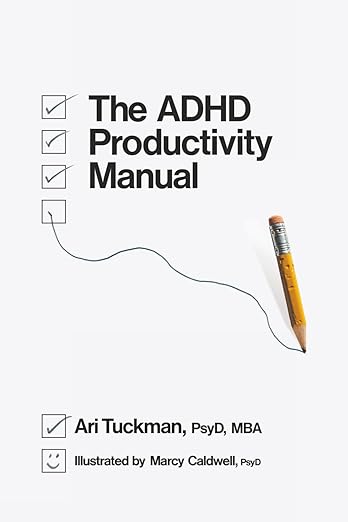
The ADHD Productivity Manual, by Ari Tuckman
This is the newest book in the bunch, and I’ve found as a coach who often works with those with ADHD that Tuckman offers a realistic, compassionate approach to productivity that aligns with how ADHD brains actually function. This book is a reminder to prioritize external structure, flexible systems, and reduced friction over rigid planning. I’ve found the strategies to be practical and realistic, and Tuckman often writes with great humor and understanding for those of us whose brains work differently in our very linear world. It validates the need for customized organizing and time-management strategies that work with cognitive differences, not against them.
“Having a lot of ideas is a real strength – except when it feels overwhelming and hard choices need to be made to sort through all those gems. The more ideas you have, the more cognitive effort it takes to weigh them all against each other. You may be way better at that first part than the second part…When you’re letting your brainstorming run wild, you may want to pause and ask yourself, ‘Am I solving this problem or avoiding that one?’ As in, sometimes it’s way more fulfilling to try to figure out an interesting challenge that isn’t exactly central to what we need to do. Sure, it’s related or maybe adjacent, but it’s not exactly mission critical. Another way of thinking about it is, ‘Am I going towards something or away from something else?’”
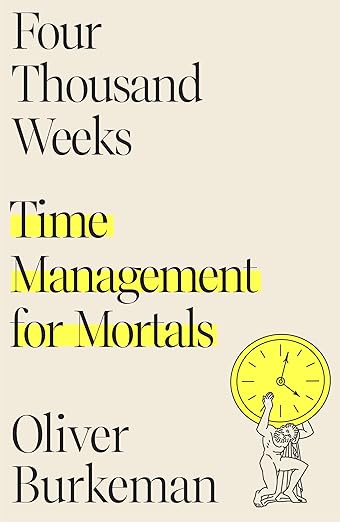
Four Thousand Weeks, by Oliver Burkeman
Rather than optimizing every minute, this book challenges the obsession with productivity and reframes time as inherently limited and meaningful. It’s a powerful mindset shift for clients who feel overwhelmed—helping them focus on what truly matters instead of trying to “do it all.” It’s a completely different way of looking at productivity and time in general. Burkeman makes us face the uncomfortable reality of the fact that we’ll never get everything done, and to accept that sometimes we need to make some hard choices about what we prioritize and how we look at time.
“The day will never arrive when you finally have everything under control—when the flood of emails has been contained; when your to-do lists have stopped getting longer; when you’re meeting all your obligations at work and in your home life; when nobody’s angry with you for missing a deadline or dropping the ball; and when the fully optimized person you’ve become can turn, at long last, to the things life is really supposed to be about. Let’s start by admitting defeat: none of this is ever going to happen.”
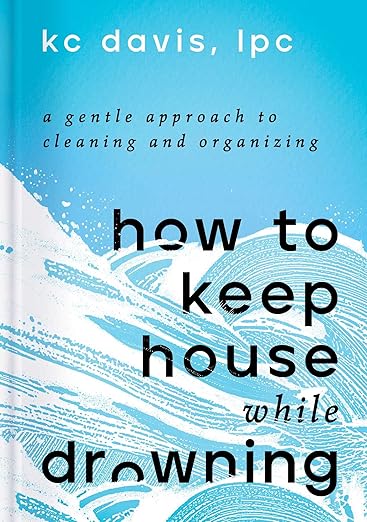
How to Keep House While Drowning, by K.C. Davis
A therapist and self-proclaimed mom with ADHD, Davis redefines care tasks (like cleaning and organizing) as “morally neutral”, removing shame from the equation. I’ve found that this book resonates deeply with those who struggle with self-judgment and perfectionism who beat themselves up because they can’t keep up with what society decrees as standards for keeping a home. This aligns deeply with a self-compassionate approach, especially for folks struggling with capacity, burnout, or mental health challenges. It encourages creating systems that support well-being first, rather than perfection.
“You are not a failure because you can’t keep up with laundry. Laundry is morally neutral.”
“Care tasks exist for one reason only… to make your body and space functional enough for you to easily experience the joy this world has to offer.”
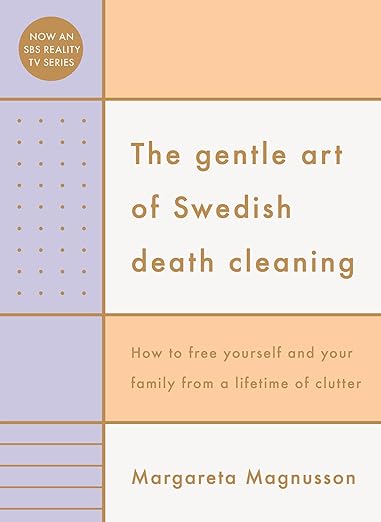
The Gentle Art of Swedish Death Cleaning, by Margareta Magnusson
Despite its rather morbid title, this book celebrates life and living in the here and now, not drowning in our possessions! Whether you’re looking to downsize, right-size, or just long for a less cluttered environment to live in, this short and humorous book may serve as inspiration to consider living with less. Magnusson presents decluttering as an act of care for both yourself and others, focusing on letting go with intention over time. It highlights the emotional and relational side of possessions, not just the physical and presents a meaningful framework for helping folks edit their belongings with purpose and legacy in mind.
“Death cleaning is not about dusting or mopping up; it is about a permanent form of organization that makes your everyday life run more smoothly.”
“This cycle of consumption we are all part of will eventually destroy our planet—but it doesn’t have to destroy the relationship you have with whomever you leave behind.”
And in honor of my Italian heritage, and my dear father, Joseph,
Happy St. Joseph’s Day!

Buona lettura!